
Capabilities
Design, secure, operate, and improve business technology.
Codes mark the framework functions each capability operates in · ↳ NIST CSF 2.0 · NIST CSWP 29
GV · ID · PR · DE · RS
Cyber security
Security assessment, vulnerability management, governance support, monitoring, and incident-readiness services shaped around business risk and the controls your organization must operate.

Problems this capability addresses
- Unknown internet-facing assets and inconsistent vulnerability remediation
- Identity, supplier, application, and data risks spread across separate owners
- Policies that are difficult to connect to working controls and evidence
- Incident plans that have not been exercised against realistic scenarios
What an engagement can deliver
Operating evidence
Exact targets and measurement methods are agreed for each environment.
- Asset and control coverage
- Critical exposure ageing
- Access and configuration review results
- Incident and exercise actions closed
PR · DE · RC
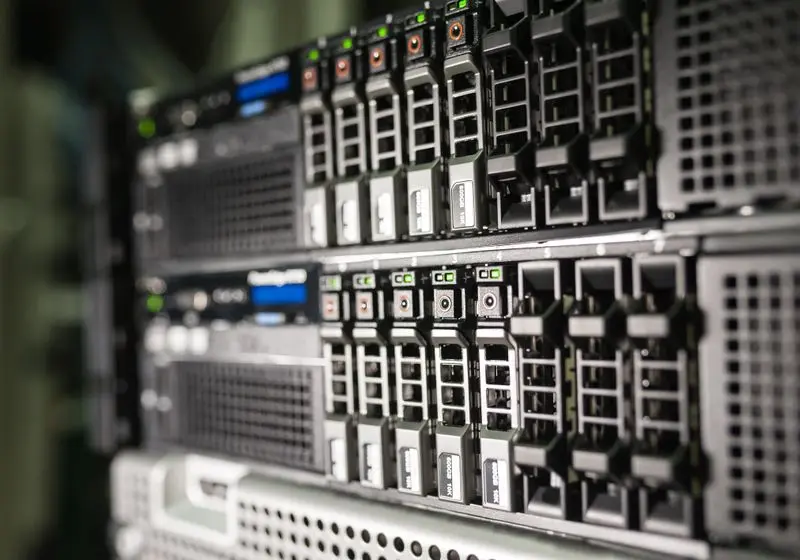
Infrastructure management
Architecture, deployment, monitoring, maintenance, and lifecycle management for networks, servers, cloud platforms, and data-centre environments.
Problems this capability addresses
- Ageing network, server, storage, and data-centre components with unclear ownership
- Cloud and on-premise systems without consistent identity, logging, backup, or cost controls
- Service interruptions whose dependencies and root causes are poorly understood
- Infrastructure projects delivered without a funded operations and maintenance model
What an engagement can deliver
Operating evidence
Exact targets and measurement methods are agreed for each environment.
- Lifecycle and monitoring coverage
- Service objective attainment
- Backup and tested restore results
- Change success and capacity headroom
PR
Software consulting
Secure web, mobile, integration, and core business systems engineered around real workflows, operating constraints, and measurable service requirements.

Problems this capability addresses
- Manual or fragmented workflows that create delay, duplication, and weak visibility
- Legacy systems that cannot safely support new channels, integrations, or growth
- Applications designed for stable connectivity rather than actual operating conditions
- Security, privacy, support, and lifecycle needs introduced too late in delivery
What an engagement can deliver
Operating evidence
Exact targets and measurement methods are agreed for each environment.
- Journey completion and performance
- Authorization and security test results
- Release quality and rollback readiness
- Support demand and reliability trends
RC
Maintenance & support
Structured support and maintenance programmes covering service requests, patching, equipment, software, monitoring, and recurring operational improvement.

Problems this capability addresses
- Support effort concentrated on repeat incidents and undocumented dependencies
- Patching, licensing, equipment, backup, and monitoring managed through separate lists
- Response statistics reported without a clear view of business-service reliability
- Supplier escalations and improvement actions that remain open without ownership
What an engagement can deliver
Operating evidence
Exact targets and measurement methods are agreed for each environment.
- Detection and restoration performance
- Repeat incidents and problem closure
- Patch, backup, and monitoring coverage
- Service objective and change performance
Engagement model
Scope, ownership, evidence, and handover remain visible.
- 01
Assess — We start with your reality
A structured review of your estate, goals, evidence, and gaps across security, infrastructure, and software, ending in a prioritized roadmap.
- 02
Design — Agree the blueprint
Architecture, risk, service expectations, acceptance evidence, scope, and commercial assumptions are reviewed before delivery begins.
- 03
Deliver — Build, secure, deploy
Dedicated engineers and security specialists deliver in working increments, quality-gated at every stage against the agreed plan.
- 04
Operate — Run and improve
Monitoring, maintenance, support, reporting, and improvement continue against the service model agreed for the engagement.
Scoping
Not sure how the problem should be scoped?
Bring the operating context, available evidence, known constraints, and desired outcome. We will help frame a useful assessment or delivery brief.